Physical Therapy & Rehabilitation

Our Physical Therapy Program
At Bedford Physical Therapy & Fitness, we take a holistic approach to rehabilitation by treating the whole person, not just the injury. Because the body works as an interconnected system, we focus on identifying why an injury occurred so we can not only relieve pain but also help prevent future issues.
Your care begins with a comprehensive evaluation that includes a discussion of your medical history, lifestyle, activities, goals, and injury. We then use advanced 3D motion capture and posture or movement screening to collect objective data, followed by focused joint and injury-specific assessments. This process allows us to address the root cause of your condition, not just the symptoms. We also encourage participation in a complementary health coaching session to further support recovery.
Many patients come to us with pain or limited motion related to conditions such as arthritis or tendinitis. These conditions often result from inflammation caused by overuse or improper loading, which is commonly linked to strength or mobility imbalances elsewhere in the body. Correcting these imbalances is essential for long-term improvement.
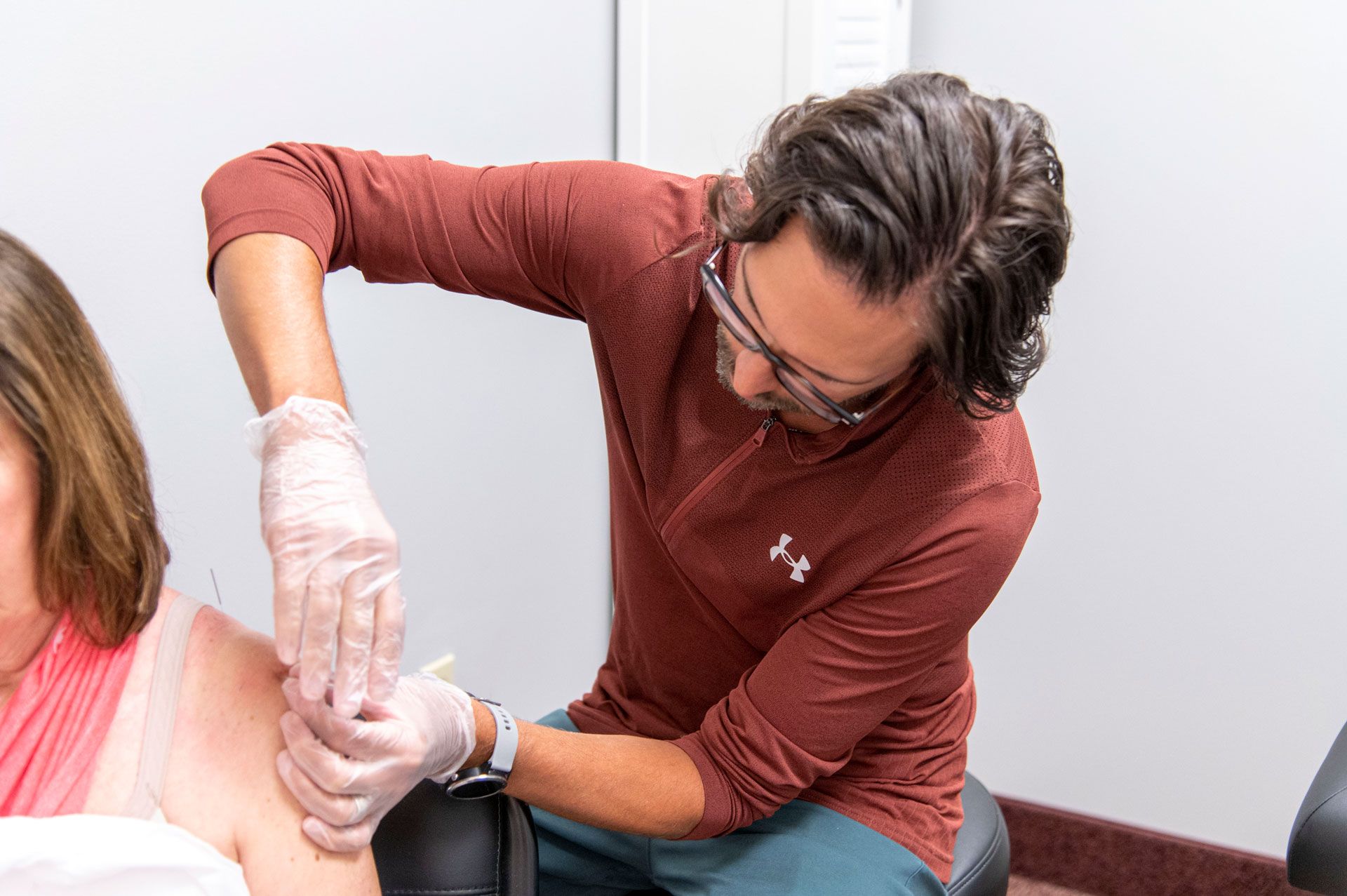
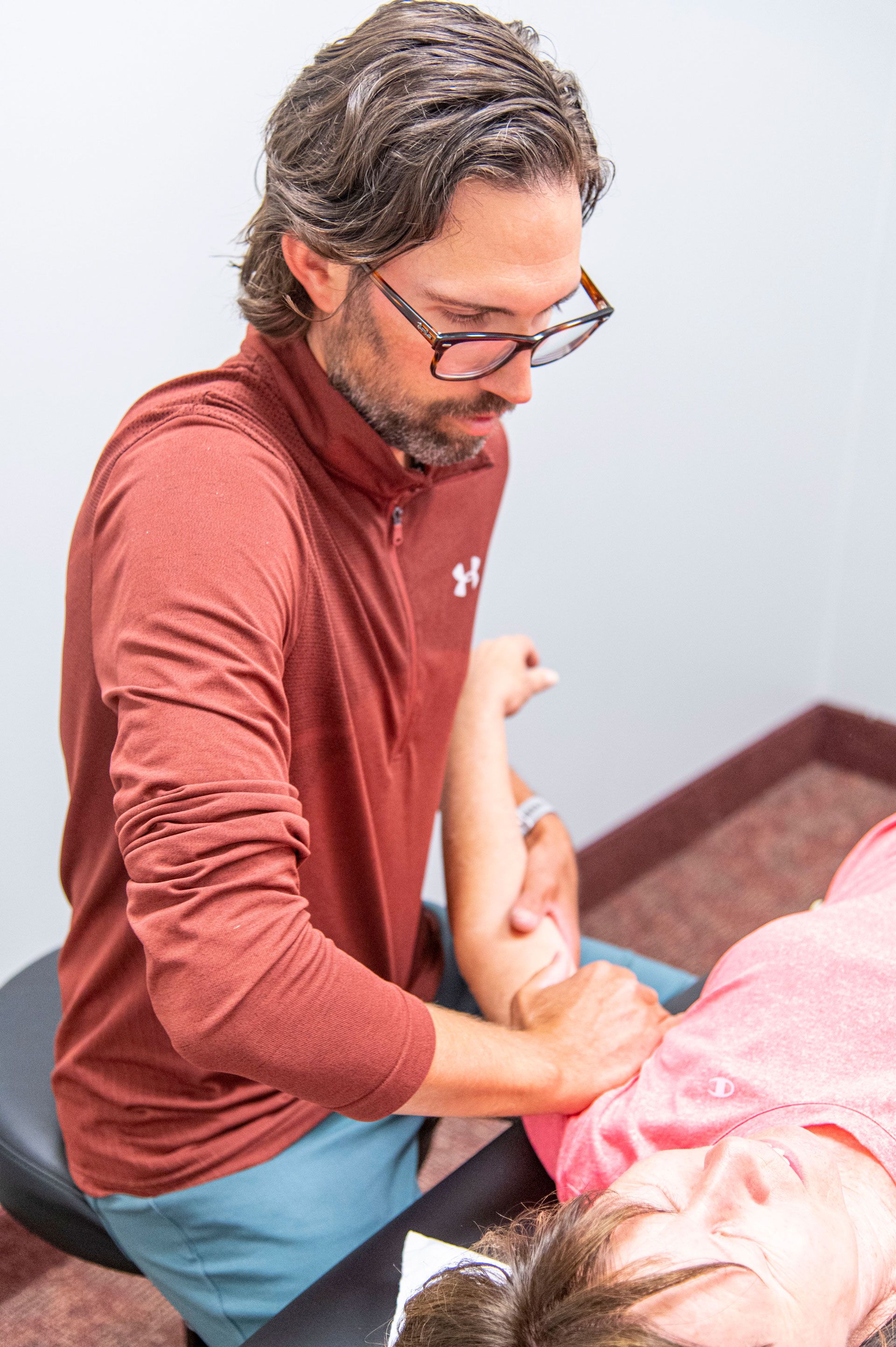
Treatment at Bedford Physical Therapy & Fitness goes beyond exercise alone. Our therapists provide hands-on care using manual therapy techniques and integrative dry needling to restore proper tissue function and alignment. Once healthy movement is established, targeted exercises are used to stabilize and reinforce improvements, reducing the risk of re-injury.
We specialize in musculoskeletal injuries, chronic pain, golf and running performance and rehabilitation, balance and vestibular conditions, and pre- and post-surgical care. All of our therapists hold Doctorate of Physical Therapy degrees and maintain advanced certifications including SFMA, Integrative Dry Needling (CIDN), Certified Manipulation, and Titleist Performance Institute (TPI) Golf and Medical certifications.
TYPES OF THERAPY & REHABILITATION SERVICES
Pain Management
Physical therapy is one of the most effective and non-invasive treatments for managing pain and chronic pain, offering a proven alternative to pharmaceuticals such as opioids, which are associated with addiction and harmful side effects. Research shows that movement plays a key role in reducing pain, even when chronic pain persists beyond the original injury due to altered pain signaling or fear of re-injury. At our clinic, we use advanced 3D markerless motion capture technology along with manual therapy, dry needling, guided exercise, stretching, and health coaching to help you move better, reduce pain, and improve your quality of life.
Spinal Manipulation
Spinal manipulation can be an effective part of a treatment plan to improve mobility and reduce pain, and our physical therapists perform thorough screening and diagnostic testing to ensure it is safe and appropriate for you. This technique is a high-velocity, low-amplitude movement that may produce an audible “pop” and can be beneficial for conditions involving the neck, mid back, low back, shoulders, and cervicogenic headaches. Our therapists have advanced training through the American Academy of Manipulative Therapy to deliver this care safely and effectively.
Dry Needling
Dry needling is an effective physical therapy treatment that uses the body’s natural healing response to address a wide range of musculoskeletal and neuromuscular conditions. It may be used to treat neck, back, and shoulder pain; arm conditions such as tennis elbow, golfer’s elbow, and carpal tunnel syndrome; headaches including migraines and tension-type headaches; as well as jaw, buttock, and leg pain such as sciatica, calf pain, strains, spasms, and tendinitis.
Balance & Dizziness
Many people don’t realize how important balance is to overall function and injury prevention. Balance relies on the integration of the vestibular, visual, and proprioceptive systems, all of which can be improved through physical therapy. While balance issues may present as vertigo or dizziness, they can also contribute to problems such as neck pain during running or increased knee pain, and we can treat conditions including Benign Paroxysmal Positional Vertigo (BPPV).
Manual Therapy
Manual therapy is a hands-on physical therapy treatment used to improve tissue function through techniques such as mobilization and massage. These methods help reduce muscle tightness, improve movement and range of motion, and restore proper alignment. By first correcting alignment and tissue function and then supporting those improvements with strengthening and stretching, we promote the balance of stability and mobility needed for efficient movement and injury prevention.
Running Evaluations & Rehabilitation
Running is more than just putting one foot in front of the other. Many running injuries stem from imbalances in strength, flexibility, or stability, which place abnormal stress on joints and tissues over time. A running evaluation can help identify these issues, improve your mechanics, and reduce the risk of injury while making your stride more efficient. With over 30 years of experience, we are dedicated to helping runners boost speed, build endurance, prevent injuries, and recover safely when injuries do occur.
Golf Performance & Rehabilitation
Whether your injury comes from golf or another activity, it’s keeping you off the course—and that can be frustrating. No matter if you play once a week or every day, your goal is the same: get better and get back to golfing. Physical therapy is often one of the most effective ways to make a timely return to the sport you love. With a physical therapist certified by the Titleist Performance Institute, you’ll have the opportunity to analyze both your swing and your body’s movement to safely improve performance and prevent future injuries.
HEALTH INSURANCE ACCEPTED FOR PHYSICAL THERAPY
- You Have a Choice for Your Physical Therapy: For most health insurance plans, you don’t need a referral to start physical therapy. (Medicare is an exception, though most Medicare Advantage plans still don’t require one.)
- You have the freedom to choose the clinic and location where you receive care. Even if your doctor’s referral lists a specific clinic, you can still select the physical therapy provider of your choice.
- You also have options for payment: use your health insurance, pay a cash price, or use your HSA.
- You can see a physical therapist directly for an injury, and private practice clinics are often more affordable than hospital-based therapy.
Health Insurance Companies that are In-Network: Always confirm your coverage directly with your health insurance provider. We also verify your insurance on our end. If you have questions about your benefits or don’t see your insurance listed, please contact our office.
- Medicare
- Medicaid
- Worker's Comp
- Aetna
- Aetna Medicare Advantage
- Anthem / Blue Cross
- Anthem / Blue Cross Medicare Advantage
- Buckeye
- Cigna
- Devoted
- Medical Mutual
- Medical Mutual Medicare Advantage
- United Health Care (UHC)
- United Health Care Medicare Advantage

DRY NEEDLING
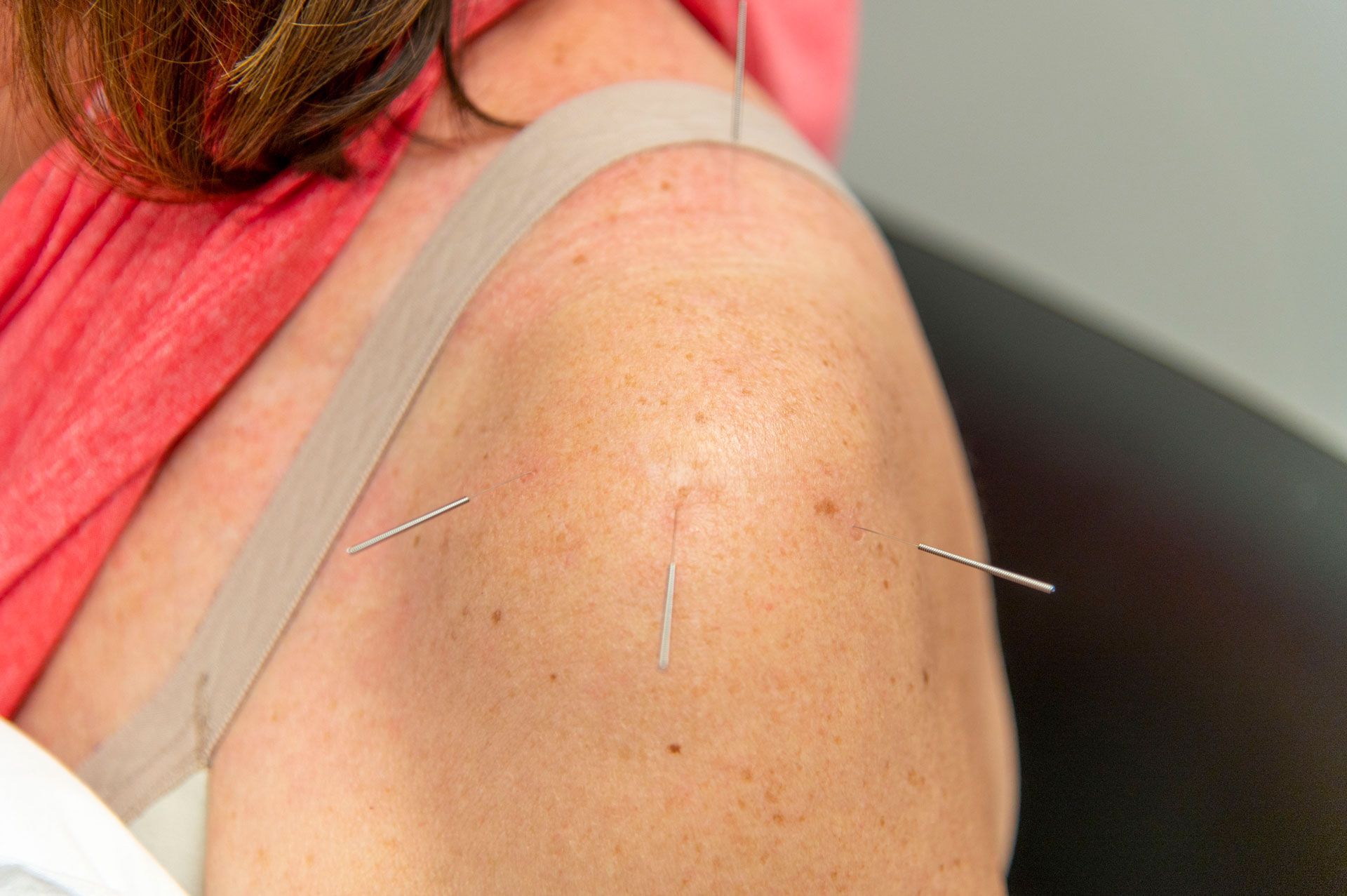
Dry needling is an evidence-based physical therapy technique used to treat a variety of musculoskeletal and neuromuscular conditions, though it may not be appropriate for everyone. Based on neuroanatomy and modern scientific research, a very thin filament needle is inserted into areas of muscle dysfunction or painful trigger points.
This technique creates a small, controlled micro-lesion that helps release tight or shortened tissues, reduce abnormal nerve signaling, decrease muscle tension, and relieve pain. By stimulating the body’s natural healing response, dry needling supports tissue recovery, improves function, and helps restore comfortable movement.
DRY NEEDLING: FREQUENTLY ASKED QUESTIONS
What Conditions Can Be Treated?
Dry needling may help treat a wide range of musculoskeletal and neuromuscular conditions, including neck, back, and shoulder pain; arm conditions such as tennis elbow, golfer’s elbow, and carpal tunnel syndrome; headaches (including migraines and tension headaches); jaw pain; and lower-body issues such as buttock pain, sciatica, hamstring strains, and calf tightness or spasms.
Are the Needles Sterile?
Yes. We use only sterile, single-use, disposable needles.
Is the Procedure Painful?
The needles used are very thin, solid, and flexible, allowing them to pass through the skin with minimal discomfort. Some patients feel a brief “local twitch response” when the needle reaches the affected tissue. This sensation is normal, lasts less than a second, and is often described as a quick cramp or mild electric sensation. Your physical therapist will always prioritize your comfort throughout treatment.
How Will I Feel After Dry Needling?
Responses vary, but many patients experience immediate symptom relief and improved range of motion. Temporary soreness is common and may occur the same day or the following day. Mild bruising at the treatment site can also occur, especially in certain areas of the body.
Will I Still Do Exercises or Other Treatments?
Yes. Dry needling is incorporated into a comprehensive physical therapy plan that may include manual therapy, therapeutic exercise, endurance training, stabilization, and posture education.
How Many Treatments Will I Need?
The number of treatments depends on the nature of your condition, the stage of injury, and your overall health. Dry needling works through cumulative mechanical and biochemical changes, so multiple sessions are often needed. Research suggests many patients achieve optimal results within approximately six sessions.
How Should I Prepare for Treatment?
Please arrive well-hydrated with an empty bladder to minimize movement during treatment. Wear loose-fitting clothing, shorts, or a bathing suit to allow access to the areas being treated.
What Should I Do After Treatment? Should I Avoid Anything?
Post-treatment recommendations depend on your individual response and level of soreness. These may include increasing water intake, applying heat or ice, performing gentle stretches, and temporarily modifying activities as needed.