Injury Prevention Starts Before Pain
Injury Prevention Starts Before Pain: How 3D Motion Screening and Physical Therapy Work Together and Why We Should Have Regular Motion Screens
Most people don’t think about injury prevention until something hurts.
A pulled hamstring, nagging knee pain, or sore shoulder often feels like it came out of nowhere, but in reality, injuries usually develop long before symptoms appear. Subtle movement imbalances, weakness, poor mechanics, and repetitive stress quietly build up until the body finally breaks down.
That’s where modern injury prevention strategies — especially 3D motion screening combined with physical therapy — are changing the game.
Instead of waiting for pain, we can now identify risk early and correct it before injury happens.
Injuries Don’t “Just Happen”
Your body is designed to move efficiently. When it doesn’t, certain muscles and joints are forced to compensate.
Over time, this can lead to:
• Overuse injuries
• Joint stress and inflammation
• Muscle strains and tears
• Poor performance and fatigue
• Chronic pain
Common causes include:
- Limited mobility in hips, ankles, or shoulders
- Core weakness and poor stability
- Muscle imbalances between sides of the body
- Faulty movement patterns during walking, running, squatting, or lifting
You may feel fine — until one day you’re not.
Traditional exams often miss these hidden issues because they focus on pain instead of movement.
Not just where symptoms might show up, but what’s actually creating stress in the body.
The Critical Role of Physical Therapy in Prevention
Technology alone doesn’t prevent injuries — action does.
That’s where physical therapy becomes essential.
Once movement flaws or weaknesses are identified through 3D screening, a physical therapist:
1. Pinpoints the root cause
2. Designs a personalized correction plan
This may include:
- Strength training for weak muscles
- Mobility work for tight joints
- Balance and stability exercises
- Movement retraining
- Sport-specific or work-specific mechanics
3. Monitors progress and adapts
Follow-up screenings show what’s improving and what still needs work.
This transforms physical therapy from injury treatment into injury prevention.
Who Benefits from Motion Screening and Preventative PT?
The short answer: almost everyone.
- Athletes: Reduce risk of ACL tears, stress fractures, muscle strains, and overuse injuries while improving performance.
- Active adults: Prevent joint pain, back issues, and workout-related injuries.
- Runners and weekend warriors: Fix faulty mechanics before they lead to shin splints, knee pain, or hip problems.
- Office workers: Address posture-related movement dysfunction that leads to neck, shoulder, and back pain.
- Aging adults: Improve balance, stability, and joint health to prevent falls and maintain mobility.
Real Prevention vs. “Rest Until It Hurts Less”
Many people respond to discomfort by:
- Taking time off activity
- Using ice or pain medication
- Waiting for symptoms to fade
While this may temporarily relieve pain, it doesn’t fix the underlying movement problem.
Without correction:
👉 The issue usually returns
👉 Another injury often follows
👉 Performance declines over time
True prevention means correcting the mechanics that caused the stress in the first place.
The Power of Data-Driven Care
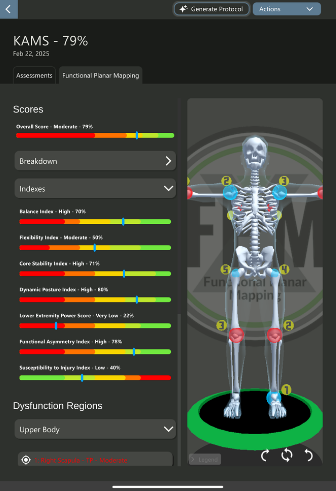
3D motion screening takes the guesswork out of injury prevention.
Instead of general advice like “stretch more” or “strengthen your core,” you get:
• Precise movement analysis
• Objective progress tracking
• Targeted exercises for your body
• Faster results and fewer setbacks
It’s personalized healthcare built on how you actually move.
Start Before Pain Starts
The best time to address movement problems is before they turn into injuries.
By combining:
✔ Advanced 3D motion analysis
✔ Expert physical therapy assessment
✔ Personalized corrective programs
You can:
- Lower injury risk
- Improve performance
- Move more efficiently
- Stay active longer
- Avoid unnecessary pain
Final Thought
Injury prevention isn’t about being careful — it’s about being proactive.
Your body gives subtle warning signs long before something breaks down. With today’s technology and skilled physical therapy, we can finally listen to those signals and correct them early.
Move better. Stay stronger. Prevent injuries before they start.